

A chocolate tasting party can be as simple as rounding up your favorite chocolate bars and eating them with friends. Or you can delve into the lush world of craft chocolate bars! Either path you take, I am here to show you the basics of how to host a chocolate tasting party.
In short, you need to buy the chocolate, prepare the chocolate, set up for the party, and finally guide the chocolate tasting.
Above all, the key to any good party is knowing your audience. Pick the vibe you think sounds like the best fit for your guests and run with it!

Steps for How to Host a Chocolate Tasting Party
- Pick a Theme and Send Invitation
Decide on a theme or focus for your tasting party.
Will this be a dark and moody academic evening, filled with dark chocolates and even darker trivia? Or will it be a light hearted, sugar filled milk chocolate fest, focused more on flavor?
If you need help thinking of a theme, I recommend you check out my article about How to Select Chocolate for A Chocolate Tasting Party. The first section there might help get the wheels turning.
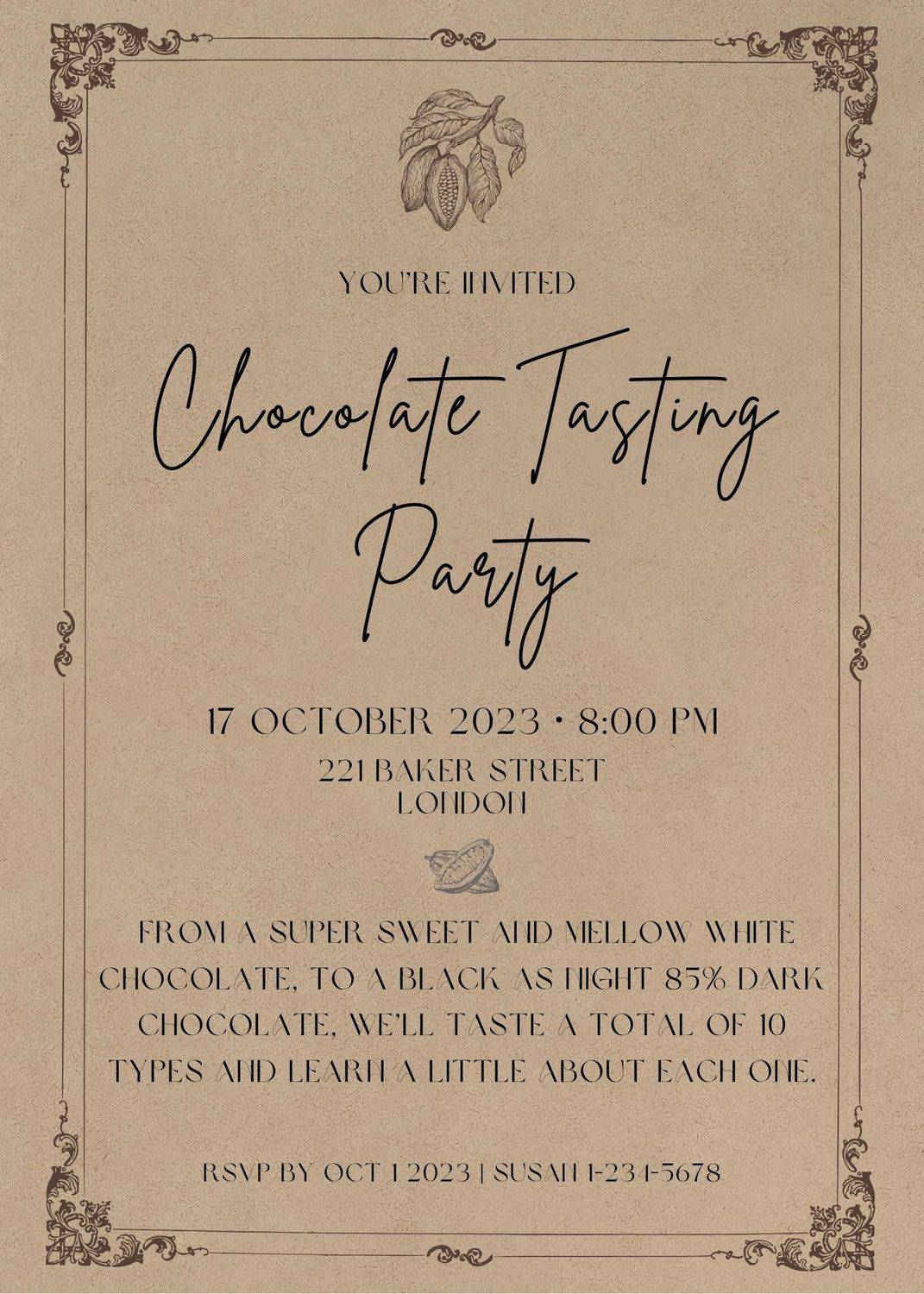
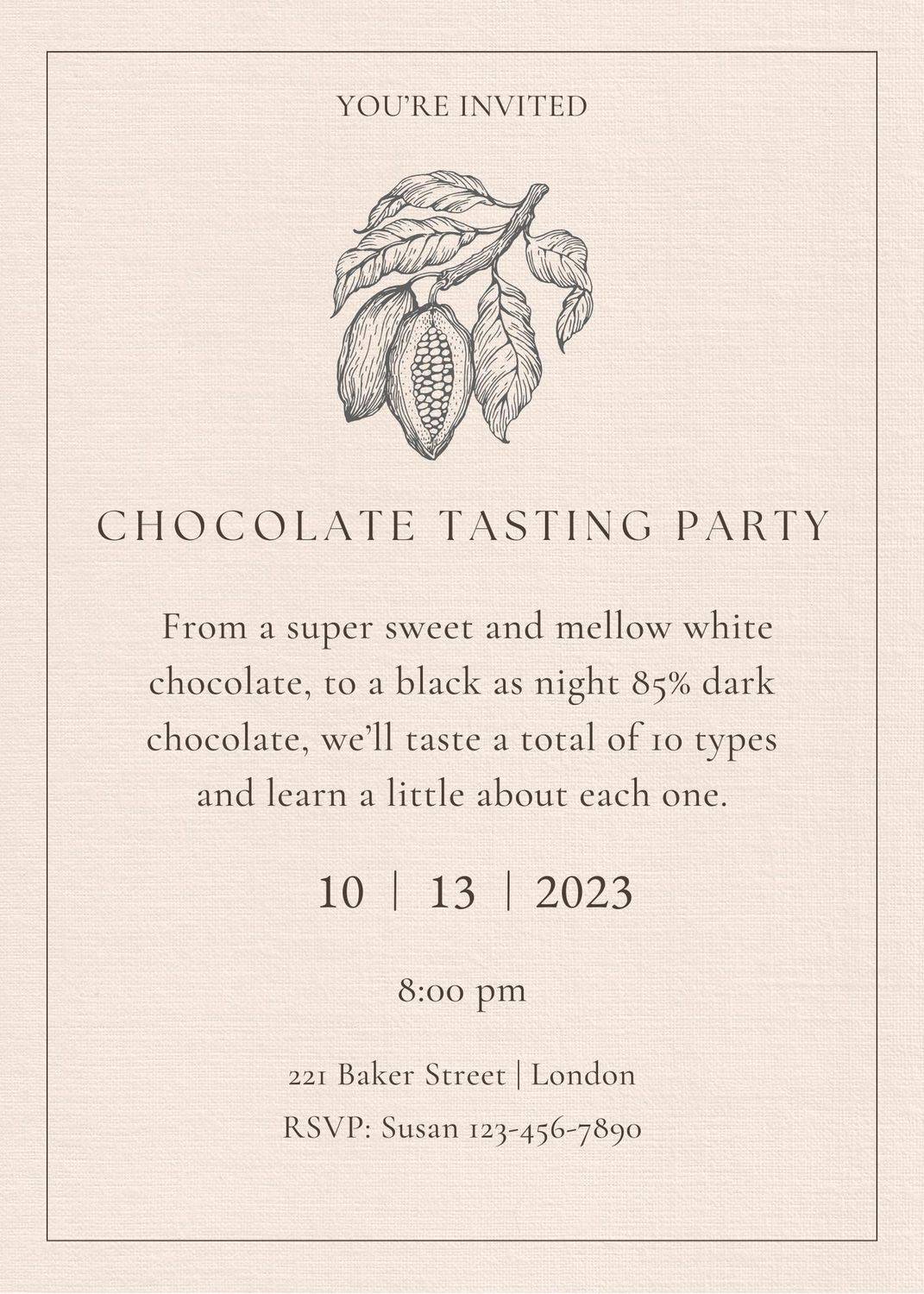
Once you know what general vibe you'd like to offer guests, figure out the date and time, then make and send your invitations. The invitation design and wording should reflect the theme!
Scroll to the bottom of this article to see two of my sample invitations. - Buy Chocolate
You have two choices when it comes to buying chocolate.
Option one - buy individual bars and curate your own collection.
Option two - buy a pre-curated collection.
If you want to buy a pre-curated collection, I strongly recommend scanning over my Buyers Guide: Chocolate Bar Gift Collection Edition
Generally, I recommend having no fewer than 5 chocolate bars and no more than 10.
Keep in mind that the more chocolate you serve, the smaller the tasting portions should be.
Pro Tip: Research each chocolate a bit and share what you find with your guests. You could look up interesting facts about the company, the origin, the ingredients, or the history behind each chocolate you include. Do this on a chocolate by chocolate basis. If you want a general overview of chocolate, scroll down to see my "Still craving more information?" reading recommendations. - Prepare the Chocolate
You should have a plan for how your guests sample the chocolate. Plan to serve the chocolate from darkest to lightest.
To prepare the chocolate, break each bar into enough pieces so everyone can get a taste of each.
You can either place each chocolate into its own bowl or plate - this will prevent any flavor mixing or melting from handling while allowing guests to pass one chocolate flavor at a time - or you can prepare a plate for each guest with a small bite of every option. If you prepare individual plates, make sure the layout is identical on each plate! This will allow guests to easily know what to eat next. I like to plate the chocolate in a circle and then work clockwise. (I got this idea from a luxury cheese event I attended years ago!)
Pro Tip: Be sure to label your chocolate after breaking it up! It’s easy to mix up different varieties and flavors. I like to keep the wrappers so guests can see what the packaging looks like. - Pass out Tasting Cards and Writing Implements
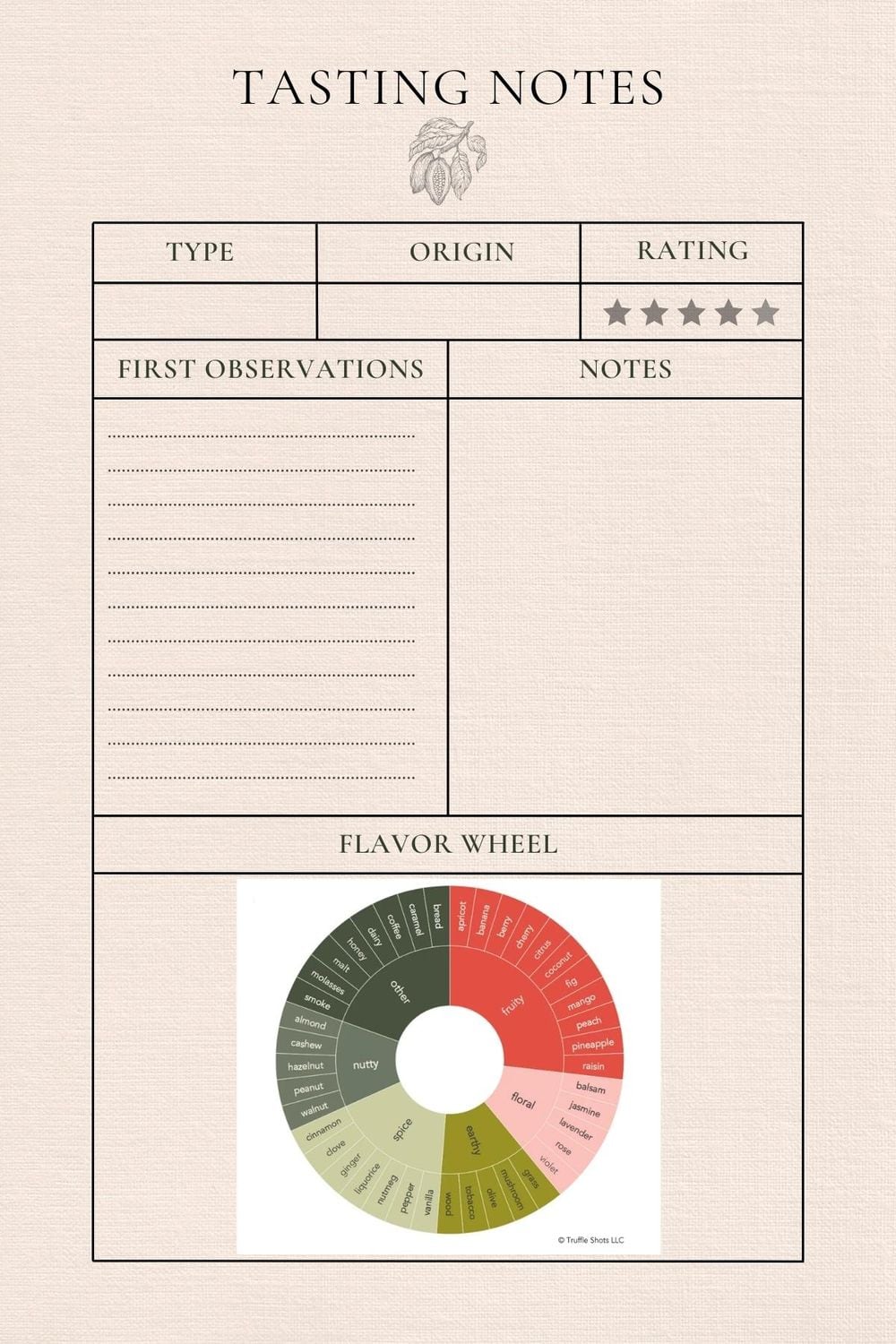
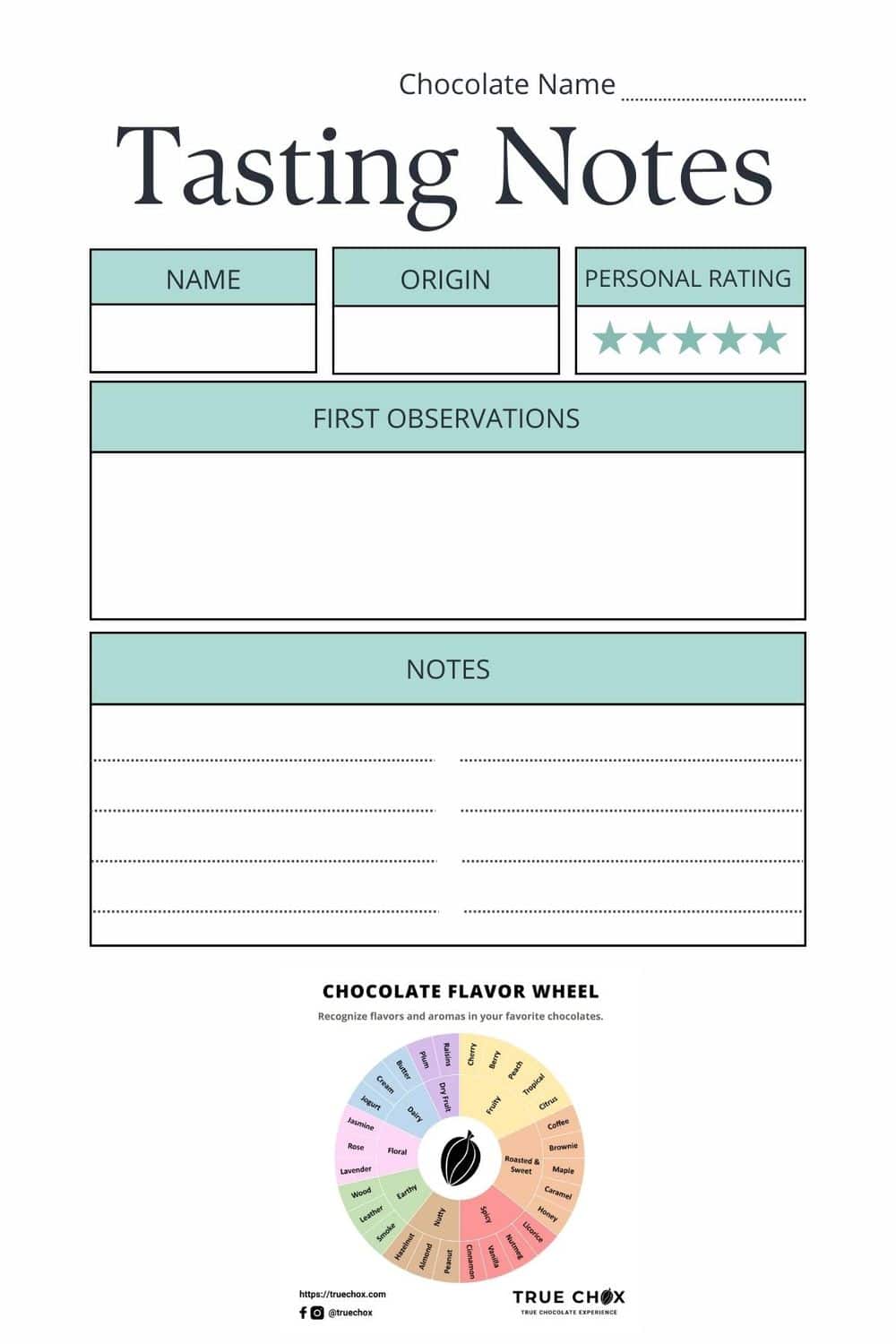
Tasting cards can be as simple as a piece of blank paper for people to write comments on or as complicated as a detailed form for each person to fill out. Below are some sample cards you can use as inspiration.
Make sure each guest has a writing implement so they can take notes as they savor each chocolate. - Guide the Chocolate Tasting
First and foremost, taste from darkest to lightest. This is crucial. If you start with a creamy milk chocolate and then jump into a 90% dark chocolate bar (or cocoa nibs if you dare), you’ll ruin your ability to taste the subtle differences in the chocolates.
While you can have palette cleanser crackers or drinks of some sort, I've found that those post more of a distraction for a home chocolate tasting party. Just give people time to take a sip or two of water if they want, then move on to the next chocolate.
Overall, guiding the tasting can be very simple and informal, such as “Time for chocolate number one!”
Alternatively, it can be more structured and detailed: “Chocolate number one is a single origin, 75% dark chocolate from Uganda. The packaging says it has floral and earthy notes which come from the specific type of soil in which it grew.”
Either route you take, it’s fun to pause after each chocolate and chat about each person’s thoughts.
Pro Tip: Rather than chewing the first bite, instruct guests to allow it to melt slightly. This will allow for better tasting of the acidity and smoothness.
Bonus tip - Sprinkle in trivia about chocolate as you go. It can be trivia about the company that made the chocolate, history of chocolate making, or even about the chemical compounds found in the cacao beans. See my "Still craving more information?" recommendations below. - Wrap Up
Whether it's a casual “So which chocolates were your favorites?” or a structured conclusion, such as giving directions about what comes next, it's polite to let guests know that all the chocolate has been enjoyed!
If you want a suggestion on something more structured to say, sometimes I think about how I want the evening to flow and politely tell people. For example, “Now that we’re done with all the chocolate, let's head to the kitchen for the charcuterie board Sarah brought. If you want more information, I made a print out for each chocolate bar we had tonight.”
Frequently Asked Questions
If I’m doing a more academic or decadent chocolate tasting, I like to have some rich and moody music playing gently in the background. I opt for orchestral soundtracks from a favorite movie or a good Gregorian Chant playlist.
If it's a more playful evening with well known and well loved chocolates, I consider my guest list and pick music that would evoke a mood similar to what eating chocolate would do.
Small bites are good for before the tasting - a cheese or charcuterie board are ideal for after a tasting. I recommend eating before or after the tasting, but not both.
Red wine is a common recommendation. However, if you’re going alcohol free, yet still want something slightly astringent, pure pomegranate juice is a great alternative. POM Wonderful is the only brand I buy, and I serve it slightly chilled.
A Cranberry and Rosemary Mocktail is also a tasty option.
As with any event, be sure to have plenty of water for all your guests.
Cheers!
Susan
Still craving more information? Here is some additional reading suggestions from reputable sources:
National Geographic Kids - The Secret History of Chocolate - A darling overview of how chocolate evolved into the ubiquitous food that it is today.
Encyclopædia Britannica "Chocolate" - A quick overview of the history and production of chocolate as well as several Frequently Asked Questions about chocolate.
History.com History of Chocolate - A more in-depth history of chocolate, with a good overview of how chocolate production and consumption evolved in various parts of the world.
And for anyone wanting to do an incredibly deep dive on chocolate, Wikipedia's page Chocolate has a truly incredible wealth of information.

Join the Discussion!