










If you're reading this, you might be standing in the supermarket store, wondering how to pick the best limes.
Hint: Don't pick any that remind you of a dinosaur. The juiciest limes usually have firm, smooth skin with pale yellow patches.
Read on for more tips.
The Moment I Learned I Was Doing It Wrong
When I first started using fresh limes, I had no idea what I was doing. Sound familiar? For years, I just "picked and prayed," giving no real thought to how I could improve my lime-buying experience and, therefore, my cooking.
I was complaining to a friend about the inconsistent amount of juice I got from my purchased limes.
She stopped me and asked, "Wait, you don't know how to pick out limes?!"
Nope. I sure didn't!
We went on to have a lengthy discussion about limes, the different varieties of limes available in different parts of the world, and all things citrus. And the next time I went shopping for limes, and every time since then, I've been able to find the best limes time and time again.
So, how do you pick the best limes? Consider the following points:
How to Pick the Best Limes
(Note: This primarily applies to the limes widely available in American grocery stores, which are often Persian Limes.)
Check the Texture - Look for smooth, glossy skin.
- The skin should be smooth and slightly glossy. Limes with rough, wrinkled, or leathery skin are often dry or past their prime.
- A smooth lime is typically juicier than one with thick, bumpy skin.
- Don't pick the Dino Limes.
Here are some side-by-side examples of the inside and outside of limes.
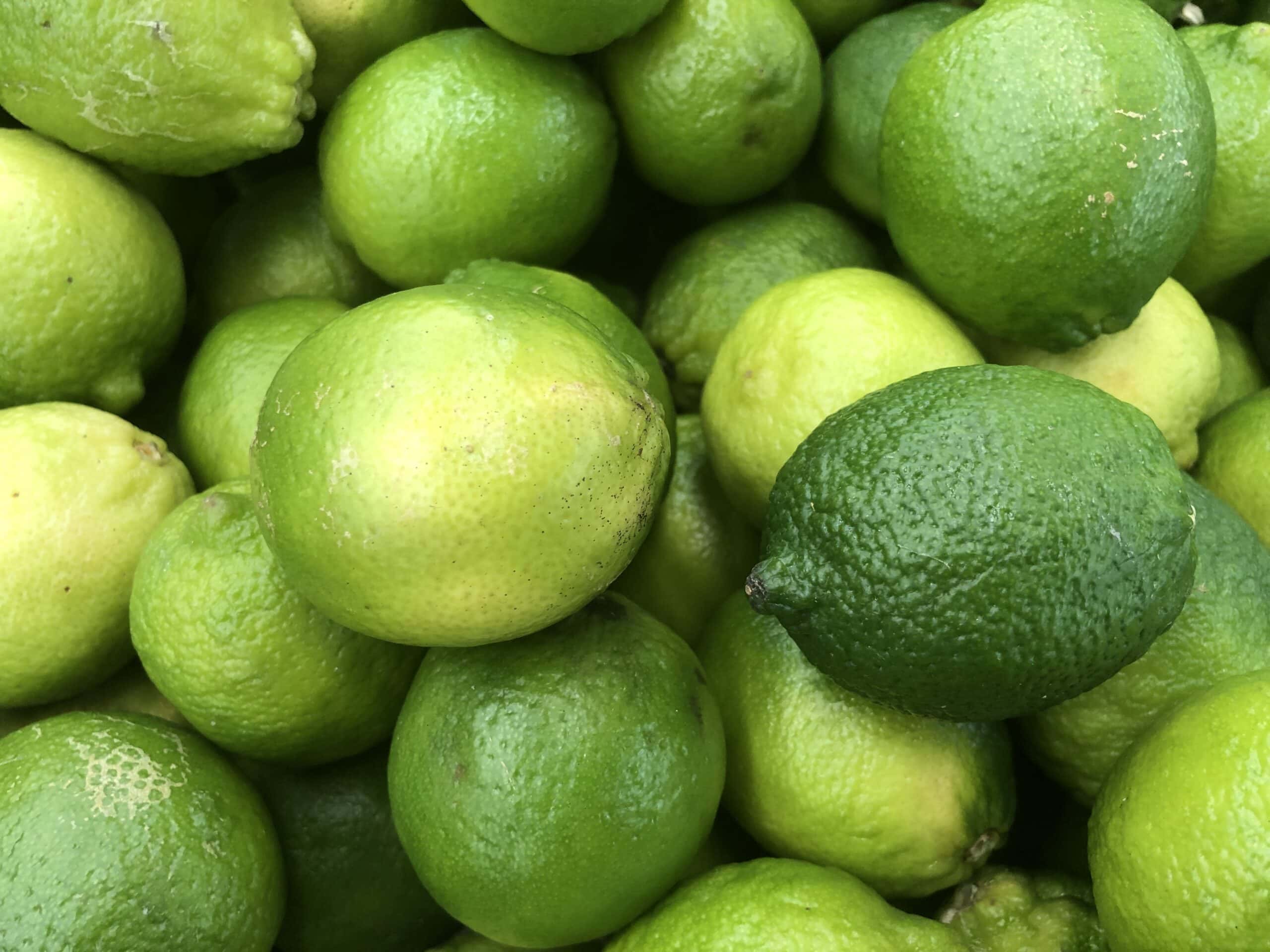
Here, we see two limes from the same bin at the grocery store. One with smooth skin and a nice yellow patch, and another with less smooth and a darker green color. I bought both.
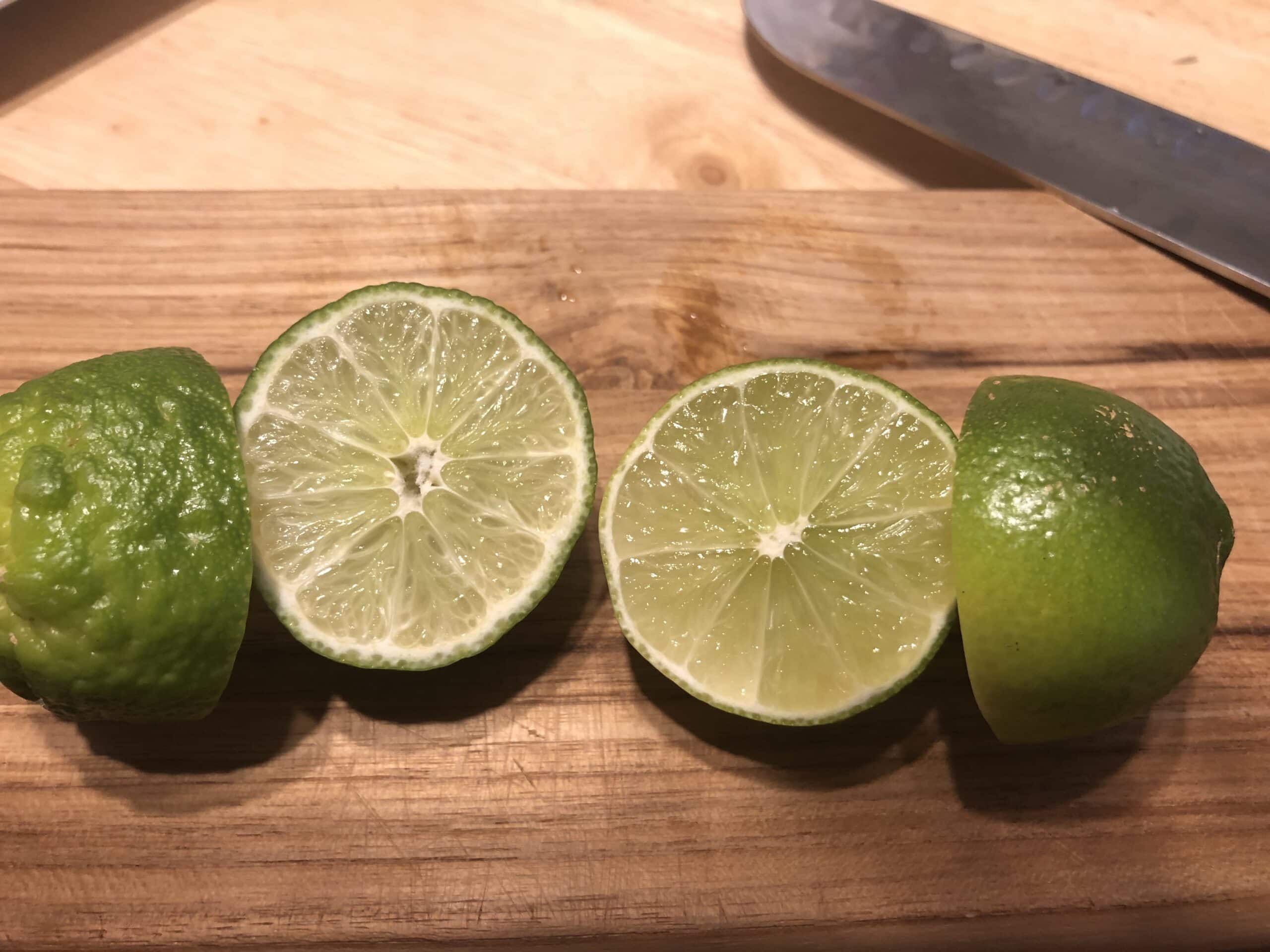
Here are the two limes cut open. The bumpy dark green lime is visibly more fibrous with cells that are less full, which means less juice. The smoother lime has visibly more juice in each cell and will yield more juice when squeezed.
Related: If you love limes, I recommend my Cilantro Limeade. It's a reader favorite! The cilantro simple syrup is SO easy to make.
Look for Bright Green with Pale Yellow Patches
Avoid limes with dull or brownish spots, which may indicate they are overripe or starting to spoil.
Opt for limes with a bright, vibrant green color and pale yellow patches. The yellow patches mean the fruit had more time on the tree to ripen and, therefore, fill with juice.
Feel the Weight
Pick up the lime and compare its weight to others of the same size. A heavier lime is likely to contain more juice.
Test for Firmness
Gently squeeze the lime. It should feel firm but yield slightly to pressure. If it’s rock-hard, it might be underripe. If it feels soft or squishy, it may be overripe or starting to spoil.
Sniff the Lime
A fresh lime will have a citrusy, fragrant aroma. If it lacks any scent, it might not be flavorful.
Related Drink: Rose, Ginger, and Lime Non-Alcoholic Cocktail (Mocktail)
Consider the Size
Larger limes often have thinner skin and more juice. However, in general, you should find ones that are heavy for their size.
Seasonal Timing
Limes are typically at their peak in late spring and summer, though they’re available year-round. Buying in-season often means fresher, better-quality fruit.
Pro Tip: Keep Limes fresh by storing them in the fridge.
There you have it! Now you know the best tips for how to pick the best limes. By following these tips, you can ensure that you consistently pick the freshest and juiciest limes for your needs.










Jana Bowen
I don't buy limes because I don't know how to pick them. You just changed my life. 🙂
Susan @ The James Street Home
It really was a huge game changer! I'm glad it'll help!