




Simple syrups are critical for making excellent drinks. They are easy to make and add a depth of flavor to any craft drink. Flavors can range from the traditional plain sugar simple syrup to fruity, floral, or spicy flavors.
With a few simple ingredients and a little time, you can have a diverse selection of homemade flavored syrups ready for your next homemade drink creation.
Jump to:
What is Simple Syrup?
The strict definition of Simple Syrup is a 1:1 ratio mixture of sugar and water. In a traditional simple syrup there are no added flavorings of any kind.
Simple syrup is typically heated until the sugar dissolves, but it can also be stirred until the sugar is fully dissolved. It is a common ingredient in many cocktails and other beverages because it adds sweetness without adding any texture or flavor. Simple syrup is also known as sugar syrup or bar syrup.
Simple syrup are made in different ratios, depending on the desired sweetness level. The most common ratio is 1:1, which means equal parts sugar and water. However, you can also make a simple syrup with a 2:1, a rich simple syrup.
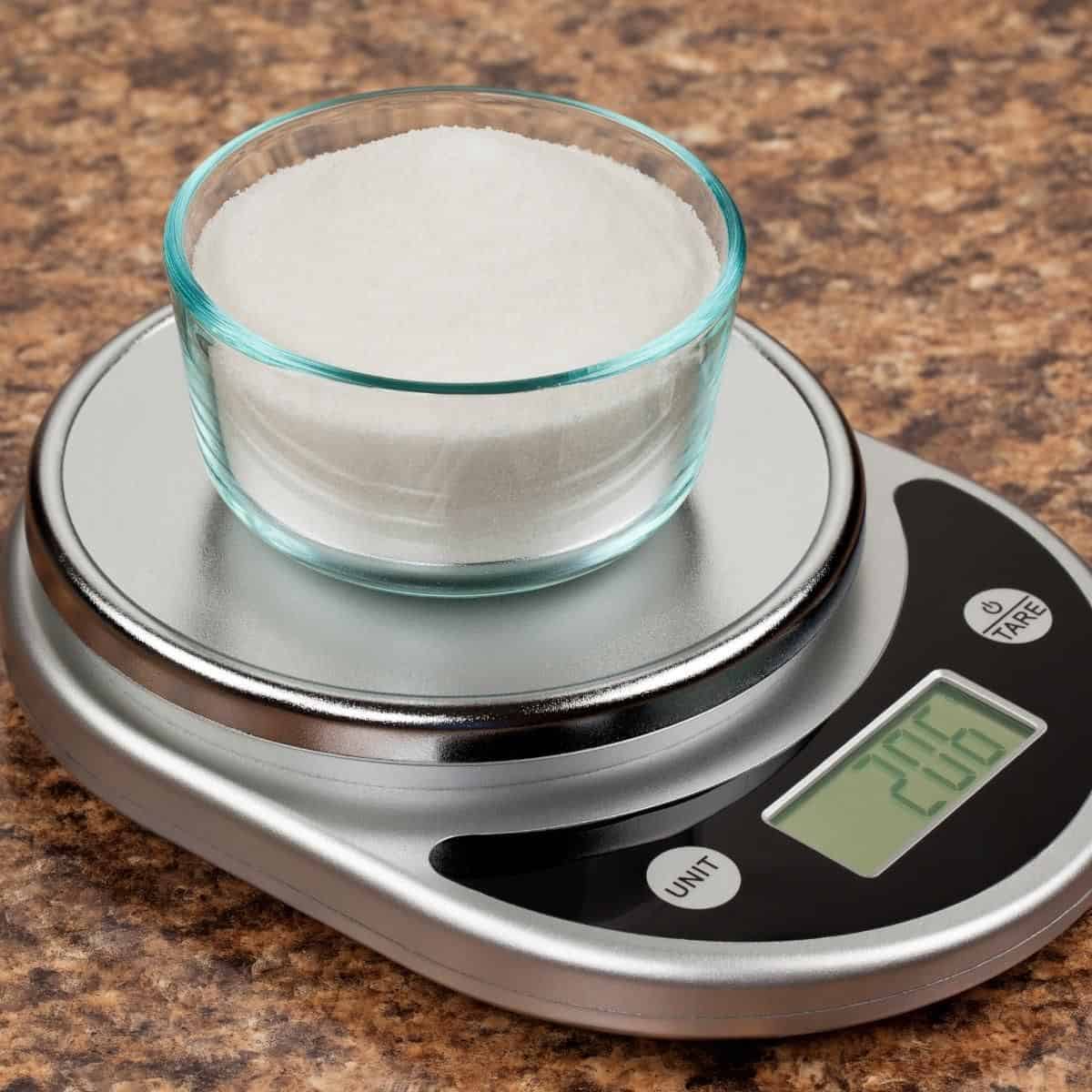
Important Note: There is significant debate and discussion around what it means to have "equal parts sugar and water." For example, are they equal in weight (mass if we want to get technical), such as 100 grams of sugar and 100 grams of water? Or should you use equal volume, such as 1 cup of sugar and 1 cup of water? (CITE?)
My advice? Pick whichever measuring method you regularly use in your kitchen and stick with it because one of the main reasons to have simple syrup or flavored syrups is so that you can make your drinks consistent.
As for me and my house, I use volume measurements of 1 cup of sugar and 1 cup of water.
So, while there is a strict culinary definition of what simple syrup is and is not, we care more about flavor and easy hosting around here, so I'm not a stickler about strict definitions.
Veering From the Classic Simple Syrup: Simple Syrups with added flavorings
Strict definitions and hard-line food rules can stay with the high-end foodie culture. For the record, I love high-end foodie stuff, but it's not the focus of this article or this site. I'm all about helping you find ways to make hosting easier. A basic understanding of simple syrups, how to make them, and how to use them will make hosting more effortless and enjoyable.
So, I consider any type of "sugar, water, and flavorings" recipe on this site to be a simple syrup. For example, my Rosemary Simple Syrup should technically be referred to as a Rosemary-Infused Simple Syrup.
The Role of Simple Syrups in Beverages
Simple syrups are essential in many cocktails and non-alcoholic beverages, such as lemonade, iced tea, and coffee.
Simple syrup is used in beverages because it dissolves quickly in cold liquids, unlike granulated sugar, which does not dissolve easily.
For example, have you ever added granulated sugar to a cold drink and tried to mix it? It can take literally hours to dissolve granulated sugar in an icy drink. So, having pre-dissolved sugar means that sweetness in the form of simple syrup can be added to cold beverages without leaving any sugar granules at the bottom of the glass.
In addition to adding sweetness, simple syrup can also be infused with different flavors, such as herbs, fruits, and spices. This allows drink makers to create unique and interesting flavor combinations.
Cocktails
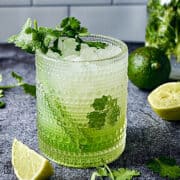
Simple syrups are a staple ingredient in many cocktails. They add sweetness and balance to the drink and can also be used to customize the flavor. For example, a classic mojito is made with simple syrup, lime juice, mint leaves, and rum. You can also make a custom-flavored syrup by adding ingredients like berries, herbs, or spices.
Non-Alcoholic Drinks
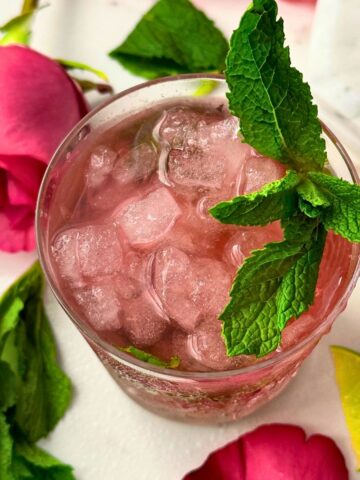
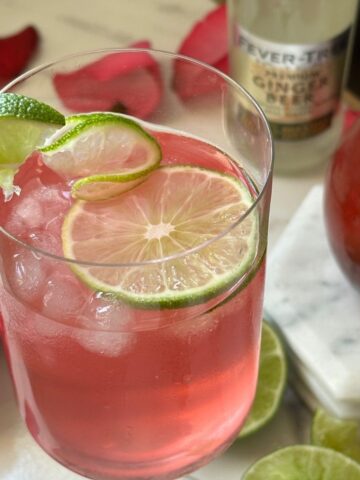
Simple syrups can also be used in non-alcoholic drinks like lemonade, iced tea, and soda. They add sweetness without artificial sweeteners and can also be used to add flavor. For example, you can make a rose syrup to add to lemonade for a unique twist on a classic drink.
Why You Should Make Simple Syrups
When you have an array of flavored syrups on hand and feel comfortable using them, you can quickly create unique, intriguing, and fantastic drinks. Friends make excellent taste testers if you want to experiment with different flavors!
Customizing Flavors
One of the great things about making your own simple syrups is that you can customize the flavor to your preferences. You can add different fruits, herbs, or spices to create a unique flavor profile. For example, you can make a ginger and clove syrup by adding whole cloves and fresh ginger root to the sugar and water mixture.
When you make your own simple syrups, rather than buying flavored syrups, you can create combinations that you couldn't find in stores, such as the clove and ginger example.
How to Make Flavored Simple Syrups
Classic Simple Syrup Recipe
To make the classic simple syrup, you only need equal parts sugar and water, maybe some heat, and a little time.
Stove Top Method
- Combine 1 cup of sugar and 1 cup of water in a saucepan.
- Heat the mixture over medium heat, stirring occasionally, just until the sugar has dissolved.
- Remove the pan from the heat and let the syrup cool completely.
- Store the syrup in an airtight container.
No Heat Method:
- Combine 1 cup of sugar and 1 cup of water in a small bowl.
- Stir until the sugar has dissolved.
- Transfer the syrup to an airtight container.
For the full recipe: Basic Simple Syrup Recipe
Flavored Simple Syrups
How you add the flavor depends on the type of flavor. Some flavors, such as rose or lilac, must be added to a cool syrup and steeped for long periods of time, often overnight. Strong spices can be simmered with the syrup from the start, and will strengthen if they steep overnight. Other flavor additions, such as hibiscus and lime zest, will become exceptionally bitter if left to steep too long. Each recipe linked will give you notes about when to add each flavor.
The primary categories of flavors, along with some examples, are:
Tips for Perfect Syrups
- Use a 1:1 ratio of sugar to water for a syrup that's not too thick or too thin.
- Stir the mixture occasionally while it's heating to help the sugar dissolve.
- Keep the mixture from boiling, or the syrup will be too thick, increasing the chances of the syrup crystalizing.
- Let the syrup cool completely before storing it in the refrigerator.
- Use a funnel to transfer the syrup to a bottle or jar for easy storage.
How to Store Simple Syrup
When it comes to storing simple syrups, a few things should be kept in mind to ensure that they stay fresh for as long as possible.
Storage Options and Considerations
Simple syrups should generally be stored in an airtight container in the fridge.
Ease of Use
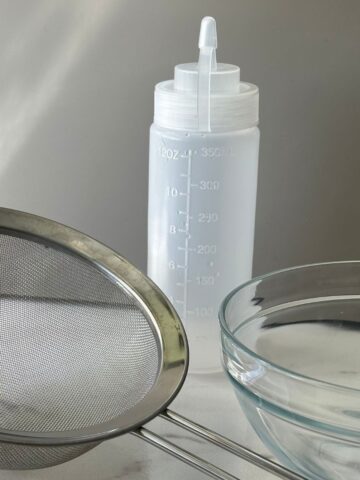
While any airtight container will suffice, I recommend storing simple syrups in an easy-to-use bottle or jar. This typically means finding a vessel that pours well, such as a squeeze bottle, instead of a plastic Tupperware with a rounded edge.
Aesthetics
If you want to look glamorous and functional, consider investing in glass bottles that pour nicely. Some glass bottles have a pour spout; others have a bottle stopper pouring spout.
If you search "Syrup Dispenser Bottles Set," you should find some excellent options.
When would you prioritize aesthetics rather than functionality?
If presentation matters, for example, if you're hosting a Hot Chocolate Party and you have a DIY hot chocolate station, presenting the flavored syrups in gorgeous bottles that are also easy to use could be important to you.
Note: 1 cup of water and 1 cup of sugar will yield about 12 ounces of syrup (1 ½ cups), and 1 cup of water and 2 cups of sugar (for a rich syrup) will produce about 16 ounces of syrup (2 cups). This is helpful to keep in mind when you're considering storage options.
Preservation Techniques
One of the most important things you can do to keep your simple syrup fresh is to store it in an airtight container. This will help to prevent air from getting into the syrup and contaminating it with bacteria or other microorganisms. This is a fancy way to say, "Store it well so it doesn't pick up other flavors from the fridge or grow mold." Glass jars with tight-fitting lids, such as mason jars, are ideal if you need to store simple syrup long-term. But plastic containers can also work well if made from food-grade materials.
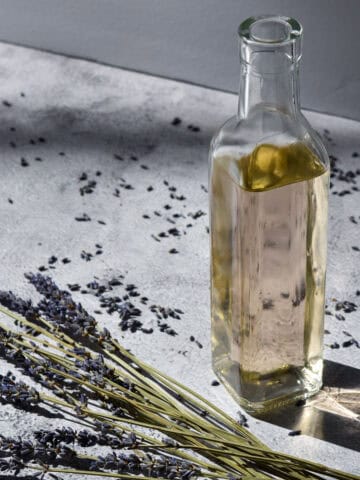
Another way to extend the shelf life of your flavored syrup is to add a small amount of lemon juice before transferring it to a storage container. I only do this if I've used a fresh spice or herb, such as fresh ginger or rosemary. I don't use this technique with floral syrups because the acid from lemon juice, even in small amounts, can alter the taste and color of delicate floral flavors and hues.
Determining Freshness
Simple syrup can last for several weeks if stored properly.
In general, floral simple syrups should be used within 2-3 weeks of when they are made. Similarly, any syrups made with a fresh herb or spice should be used within 3-4 weeks. Syrups made with dried spices, such as cloves or cardamom, are generally good for about six weeks.
Regardless of when the syrup was made, it's important to check it regularly and before each use to ensure it is still good.
Before using it, check the sight and smell for freshness. If it has a sour or off odor, it may have gone bad and should be discarded. If you notice any discoloration or growth in your syrup, it should be thrown away immediately.
My motto is, "When in doubt, throw it out." It's not worth getting sick, no matter how annoying food waste may be to you.
Sweet Goodbyes
Now that you know more about simple syrups, what they are, how to use them, when and where to use them, and how to store them, I hope you're excited to get cooking and empowered to try them out for yourself or your guests.
By following these simple tips for storing and preserving your simple syrup, you can ensure that it stays fresh and delicious for as long as possible.
Cheers!
Susan
Additional Reading
If you, like me, love the science behind food and want some additional "light reading" (I use Hermione Granger's definition of light reading here), here are some great resources and articles to explore.
Difford's Guide: 2 to 1 Rich Sugar Syrup verses 1 to 1 Simple Syrup
Wikipedia: Inverted Sugar Syrup
Serious Eats: Cocktail Science: Simpler Simple Syrup
FAQ
Yes! Traditionally, a syrup made with water and brown sugar is called Demerara syrup or Turbinado syrup.
NO! Powdered sugar, sometimes called confectioner sugar, almost always has at least one other additive, usually corn starch. Do NOT use powdered sugar to make simple syrup.


Join the Discussion!