








Regular versus Culinary Lavender: Knowing the difference between culinary and regular lavender is important when it comes to cooking and entertaining because they are NOT interchangeable.
The main difference between regular lavender and culinary lavender lies in their varieties, intended uses, and how they are processed. Here's a breakdown.
Jump to:
Variety
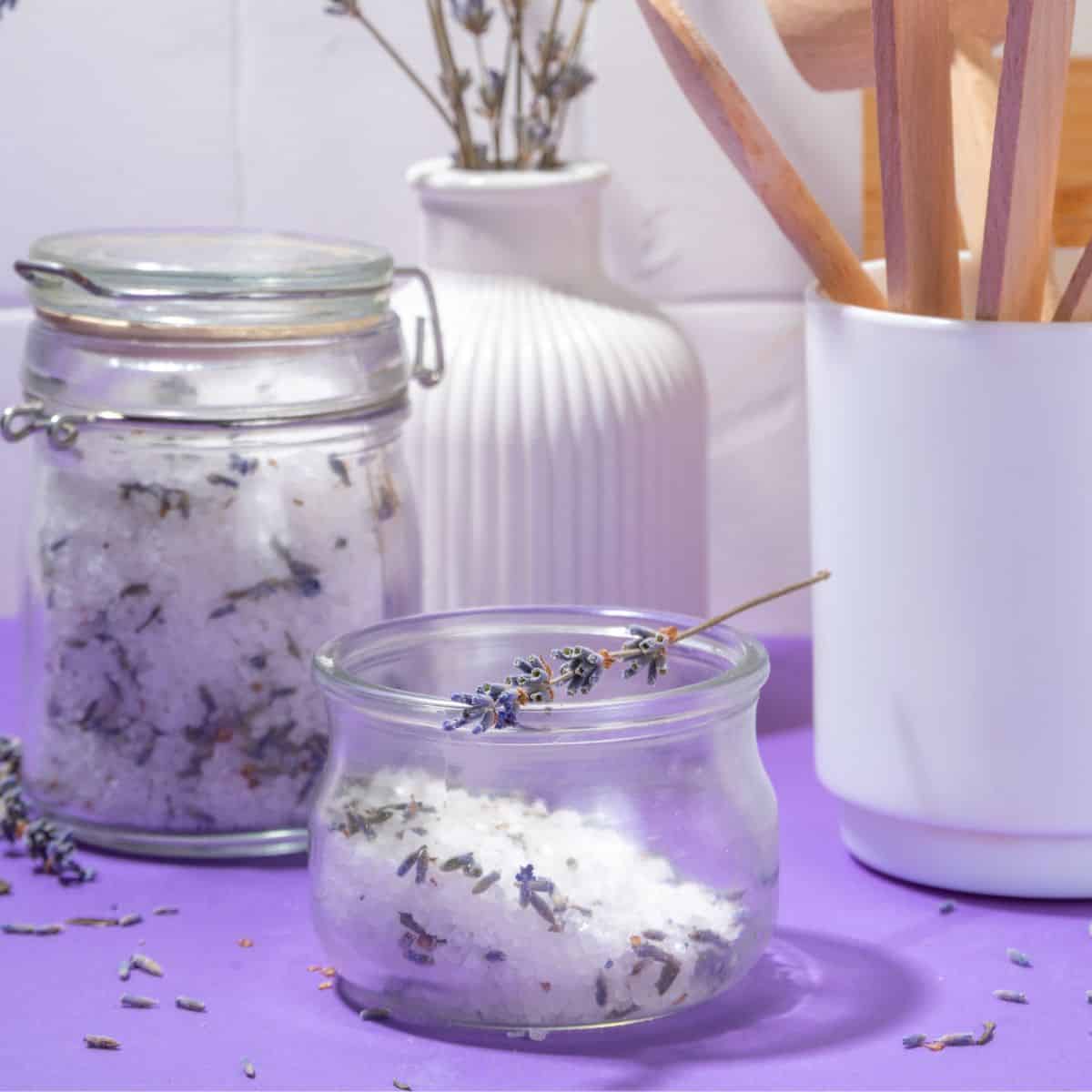
- Culinary Lavender is safe and desirable for cooking and usually comes from English lavender (Lavandula angustifolia), which has a milder, sweeter flavor and lower levels of camphor (a compound that can taste soapy or bitter) compared to regular lavender.
- Regular Lavender refers to a wide range of lavender species and varieties, including those used for ornamental purposes, essential oils, or crafting. Common varieties include Lavandula angustifolia (English lavender, usually used in culinary settings), Lavandula stoechas (French lavender), and Lavandula x intermedia (lavandin).
Flavor and Aroma
- Culinary Lavender is known for its sweet, floral, and slightly herbaceous flavor, which works well in food and drinks. It enhances dishes without overwhelming them.
- Regular Lavender may have a stronger, more medicinal, or camphorous scent and flavor, which is another reason it's not suitable for culinary applications.
Processing and Quality
- Culinary Lavender is grown with the intent of being consumed, often organically or under conditions that meet food safety standards. Only the flower buds (not stems or leaves) are used, as they contain the most delicate flavor and are free from bitter notes.
- Regular Lavender is typically grown for essential oil production, decorative purposes, or landscaping, and might be treated with pesticides or chemicals and is NOT suitable for ingestion.
Uses
- Culinary Lavender is used in recipes like baked goods (lavender cookies, cakes), beverages (lavender simple syrup, lavender lemonade, teas), savory dishes, and even spice blends like herbes de Provence.
- Regular Lavender is primarily used in essential oils, skincare products, sachets, potpourris, soaps, and other non-edible products.
Shopping Tips and Tricks
Culinary lavender can usually be found in the spice aisle of most grocery stores. However, Penzys is my top pick. Penzys Culinary Lavender.
Check out Brand Recommendations: Culinary Lavenders for my other preferred brands.
If you're buying it online, be sure to search for cooking or culinary-grade lavender, and buy something that comes in a foil or paper bag or glass jar. Lavender stored in clear plastic packaging loses flavor and freshness fast.
P.S. If you're looking for tips on how to make an amazing charcuterie board, I highly recommend reading over this article: Tips and Tricks for a Great Charcuterie Board










Join the Discussion!